
Description
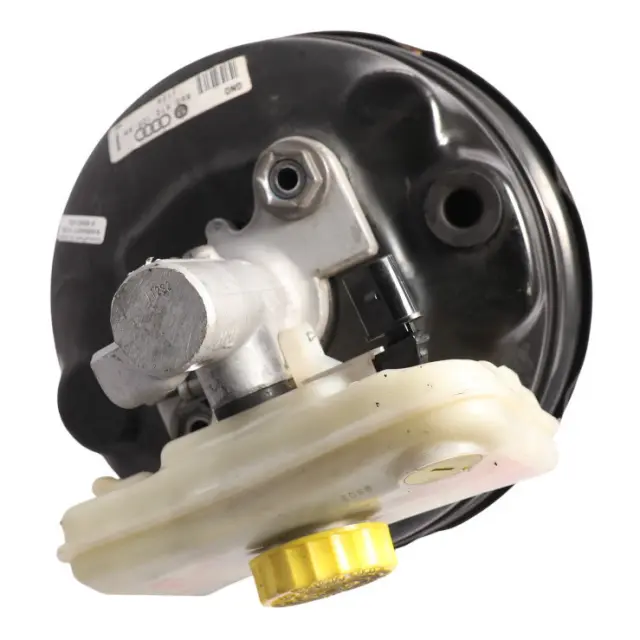
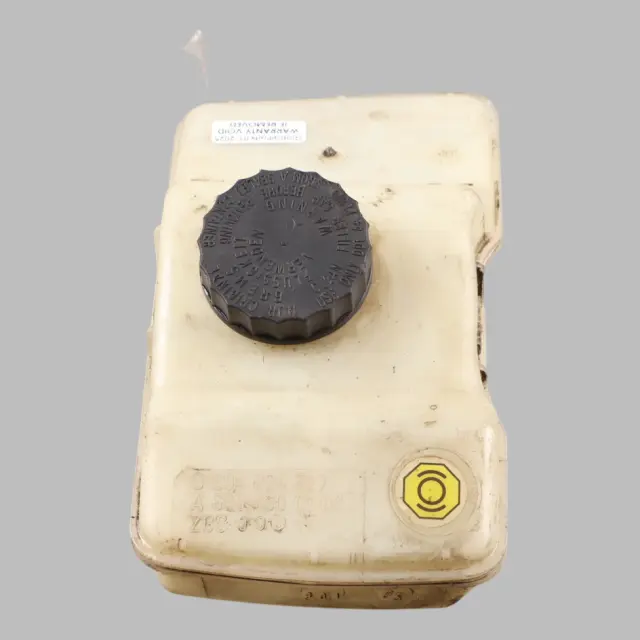
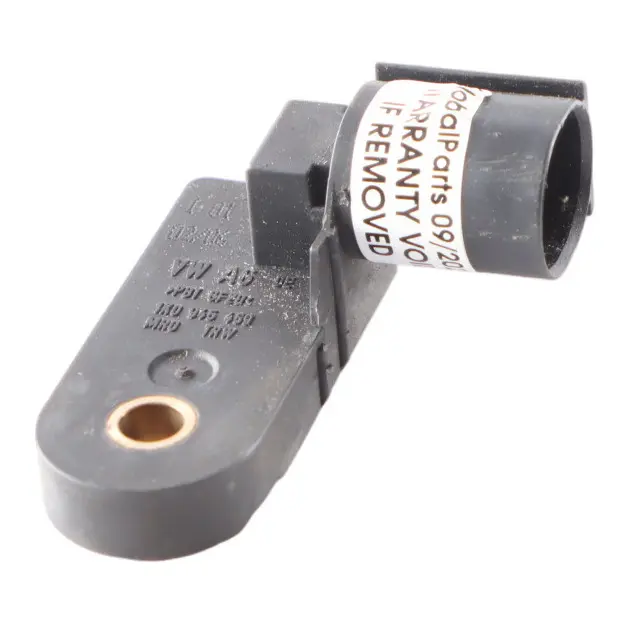
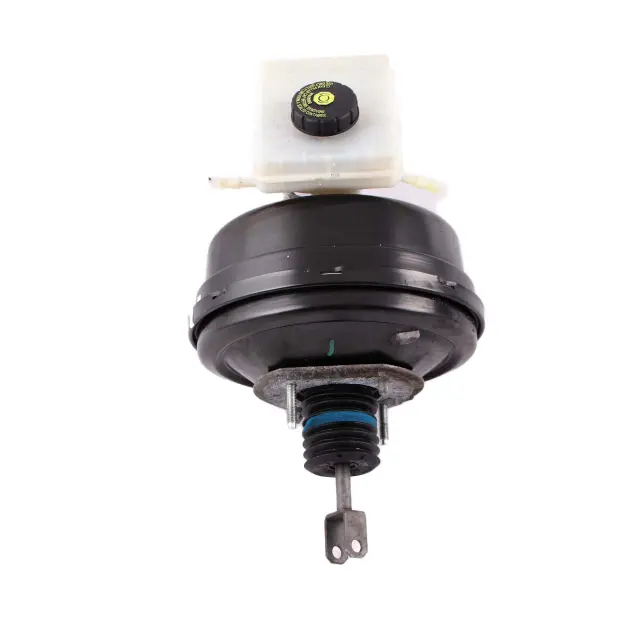
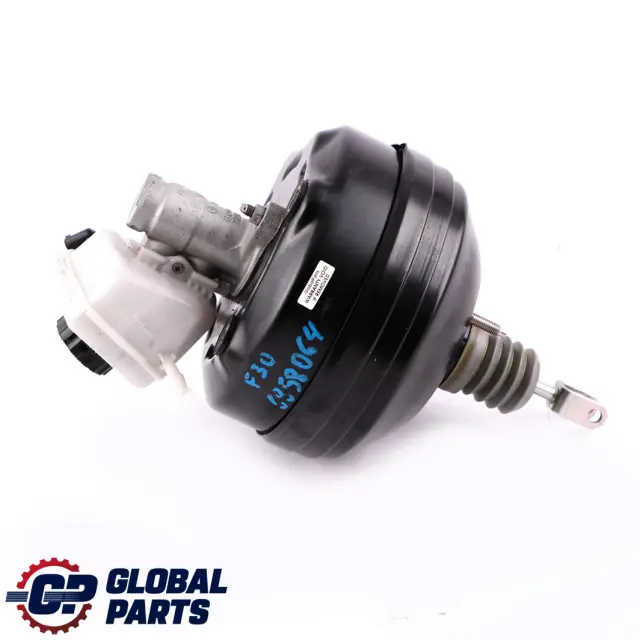
Audi RS4 B7 Brake Servo Master Cylinder 4.2 FSI BNS Petrol Engine is an original brake system component designed for the 4.2 FSI BNS petrol engine. Thanks to its factory Audi design, it ensures proper brake assistance, stable pedal operation, and predictable vehicle response in both road and track conditions.
Specifications and technical data
- SKU: 8E0612105AD
- Mark: Audi
- Condition: Used
- OEM Part Number: 8E0612105AD
- Substitutable numbers: 8E0612105AD, 8E0 612 105 AD
- Fuel type: Petrol
- Part type: Brake Servo & Master Cylinder
- Category: Brake Servos
Purpose and function in the brake system
The presented component belongs to the Brake Servos and Proportioning Valves category, responsible for properly translating the pressure applied to the brake pedal into hydraulic circuit pressure. In combination with the master cylinder, the servo stabilizes the entire system’s operation, reduces driver fatigue, and allows for precise braking force modulation, which is particularly important in powerful, high-performance petrol engines.
The version dedicated to the petrol engine ensures proper tuning with the vacuum generated by the powertrain, which translates into predictable vehicle behavior in emergency situations and during intensive use.
Benefits of using an original Audi servo
Using an original Audi component in the RS4 B7 model allows you to maintain the factory performance parameters of the brake system. Key advantages include:
- Structural compatibility with the mounts and geometry of the RS4 B7 brake system.
- Properly selected assistance ratio, matched to the characteristics of the sports brake system.
- Consistency with other system components, such as calipers, discs, and lines, which facilitates diagnostics and service.
- The ability to use the existing installation without the need for structural modifications.
For users who expect repeatable, predictable brake response from their RS4, using the original servo with the master cylinder is a solution that ensures stability and operational safety.
Characteristics of the used component
The offered component is in used condition, meaning it has been removed from a vehicle and may show signs of previous use. This type of part is an attractive cost-effective alternative to new components while maintaining the manufacturer’s original specifications. In practice, this allows for an economical repair or restoration of the factory brake system configuration without sacrificing the fit typical of OEM parts.
Before installation, standard service procedures are recommended: checking for leaks, assessing the condition of ports and connections, and properly bleeding the system after installation to fully utilize the potential of the offered servo and master cylinder.
Integration with the brake system and operation
In a sports model like the RS4 B7, the brake system operates under increased thermal and mechanical loads. A functional servo with a master cylinder supports:
- maintaining a constant brake pedal engagement point,
- even distribution of braking force between axles (in cooperation with other system components),
- stable operation of assistance systems such as ABS or ESP.
As a result, the driver receives clear feedback from the brake pedal, which facilitates vehicle control both in daily driving and during dynamic use.
If you are planning a comprehensive repair or upgrade of the braking area in your Audi and need other elements from the same group, such as servos, brake proportioning valves, or related hydraulic components, check the available parts in the Audi Brake Servos and Proportioning Valves category.
Operation, service, and selection of used components
When replacing brake system components, especially in high-power cars, it is worth paying attention to service procedures and the selection of appropriate used OEM components. Practical tips regarding maintenance, diagnostics, and component selection can be found in the article Air conditioning and heating – part selection and maintenance for year-round comfort, which discusses, among other things, the approach to used original parts in the context of vehicle operation.
If you are considering whether an original, replacement, or used part is the better solution for your case, the comparison described in the material Original, replacement, or used – which car parts are the most cost-effective? may also be helpful, as it presents the differences in costs, quality, and fit of elements selected by OEM numbers.
Reviews
There are no reviews yet.