Description
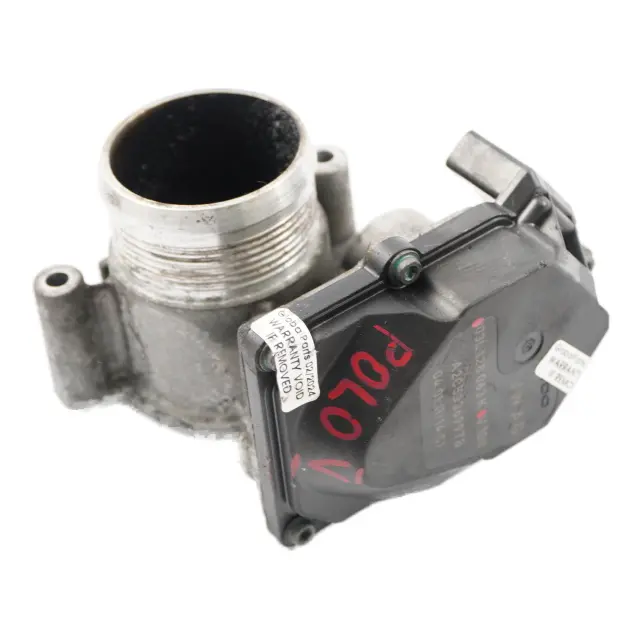
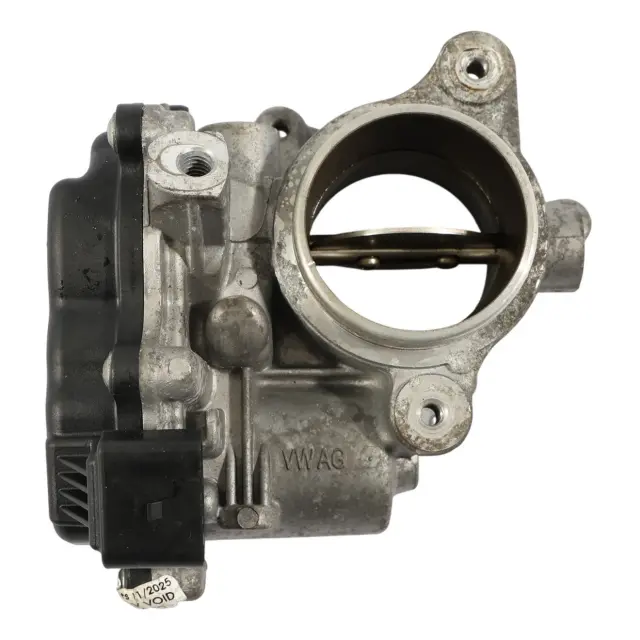
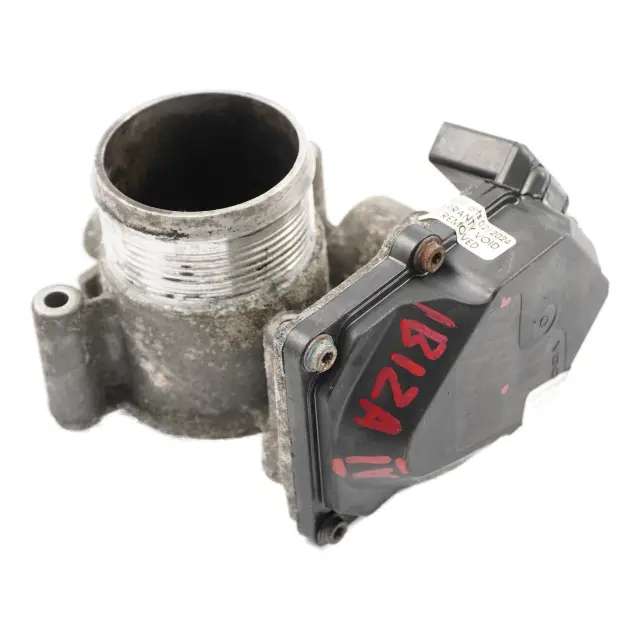
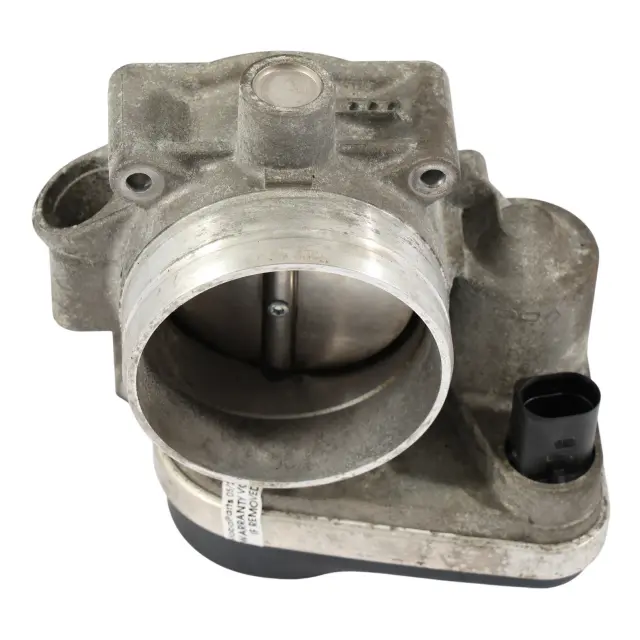
Audi VW Seat Skoda 1.2 2.0 TDI Diesel Throttle Body Valve Flap is an intake system component designed for diesel engines, responsible for precise airflow control. Thanks to its factory design from the VAG group, it ensures consistency with the original engine architecture and stable operation across a wide range of loads. This is a practical solution for users looking for a proven diesel engine throttle body that complies with factory specifications.
Specifications and technical data
- SKU: 03L128063K
- Mark: Audi
- Condition: Used
- OEM Part Number: 03L128063K
- Substitutable numbers: 03L128063K, 03L 128 063 K
- Fuel type: Diesel
- Category: Throttle Bodies
Function of the throttle body in TDI engines
In TDI units, the throttle body plays a key role in managing the amount of air supplied to the cylinders, which affects the combustion process, engine refinement, and emission levels. A properly functioning component of this type stabilizes idle speed, supports the exhaust gas recirculation system, and helps reduce unwanted vibrations when switching off the engine.
In practice, this means that a correctly selected throttle body allows for maintaining a predictable throttle response, smooth engine operation, and repeatable performance parameters in daily driving.
Compatibility within the VAG group
The described throttle body has been designed for diesel engines used in Audi, Volkswagen, Seat, and Skoda vehicles. Using a solution from the same design family facilitates matching with the existing intake system, electrical wiring, and engine control unit, which translates into predictable installation and reduces the risk of communication issues within the system.
For the user, this means the ability to restore the proper operation of the intake system without the need for wiring modifications or adapting non-factory solutions, which is particularly important in modern diesel units.
Characteristics of the used component
The throttle body comes from the Throttle Bodies segment and is a used item, which in practice represents a favorable compromise between cost and functionality. This type of part allows for an economical repair of the intake system while maintaining the original design and airflow geometry. In many cases, it is a solution chosen for maintenance repairs when the priority is to restore vehicle efficiency while maintaining compliance with factory assumptions.
Due to its use in diesel engines, the component is adapted to work under conditions of increased thermal and mechanical load, typical for Diesel units, which promotes parameter stability over a long period of use.
Benefits of using a throttle body in a Diesel engine
Using this throttle body in the intake system of a diesel engine allows for:
- maintaining a predictable engine response to load changes,
- reducing idle speed fluctuations,
- cooperation with the factory engine control unit without the need to adapt non-factory solutions,
- maintaining consistency with the original intake system architecture in VAG group vehicles.
Thanks to this, it is a practical choice for maintenance repairs when the goal is to preserve the factory control logic and stable engine operation.
Expanding the intake system in Audi
If you are planning a comprehensive repair or upgrade of the engine area in your Audi and need other elements from the same group, such as additional housings, control elements, or supplementary intake components, check the available parts in the Audi Throttle Bodies category.
Technical support and part selection
When working with the intake system and engine accessories, it is helpful to use reliable technical materials and installation checklists. For more extensive projects involving turbocharged units, it is worth familiarizing yourself with practical advice on selecting accessories, compatibility, and verifying the condition of components before installation – a good point of reference may be the article BMW B58 code, or 340 HP from the secondary market – a checklist before buying a turbocharger and intercooler for a BMW 3 Series (G20), which shows how to methodically approach the analysis of engine components and their fitment.

Reviews
There are no reviews yet.